
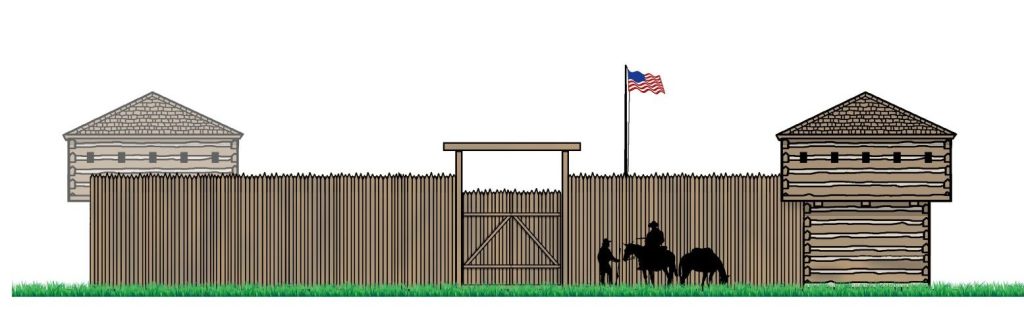
Plan Your Visit in 2027 to See Fort Sublette!
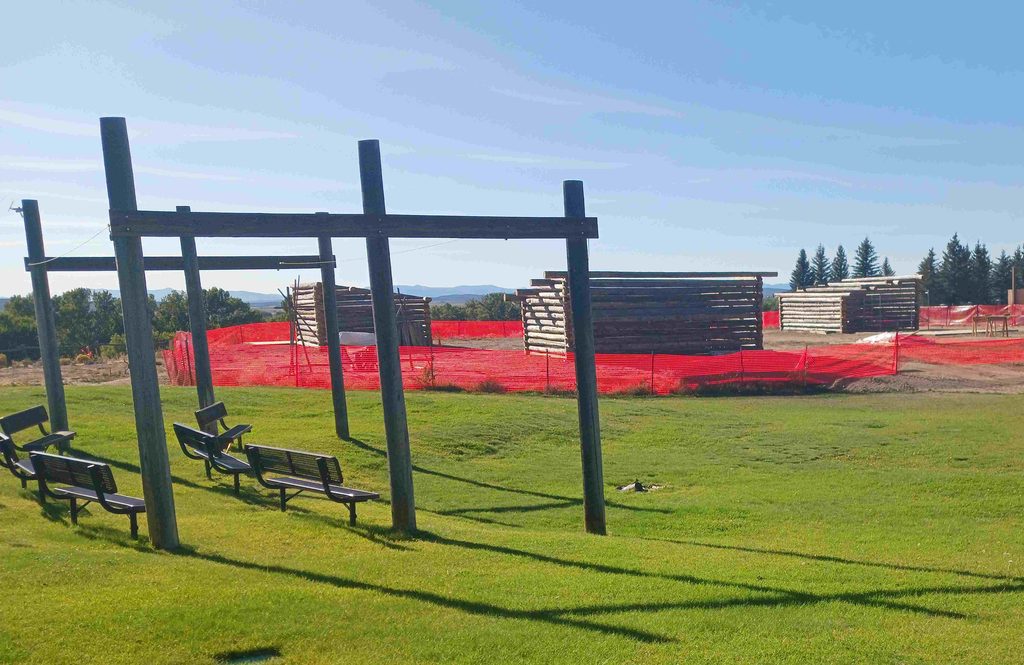
A New Living-History and Interpretive Space
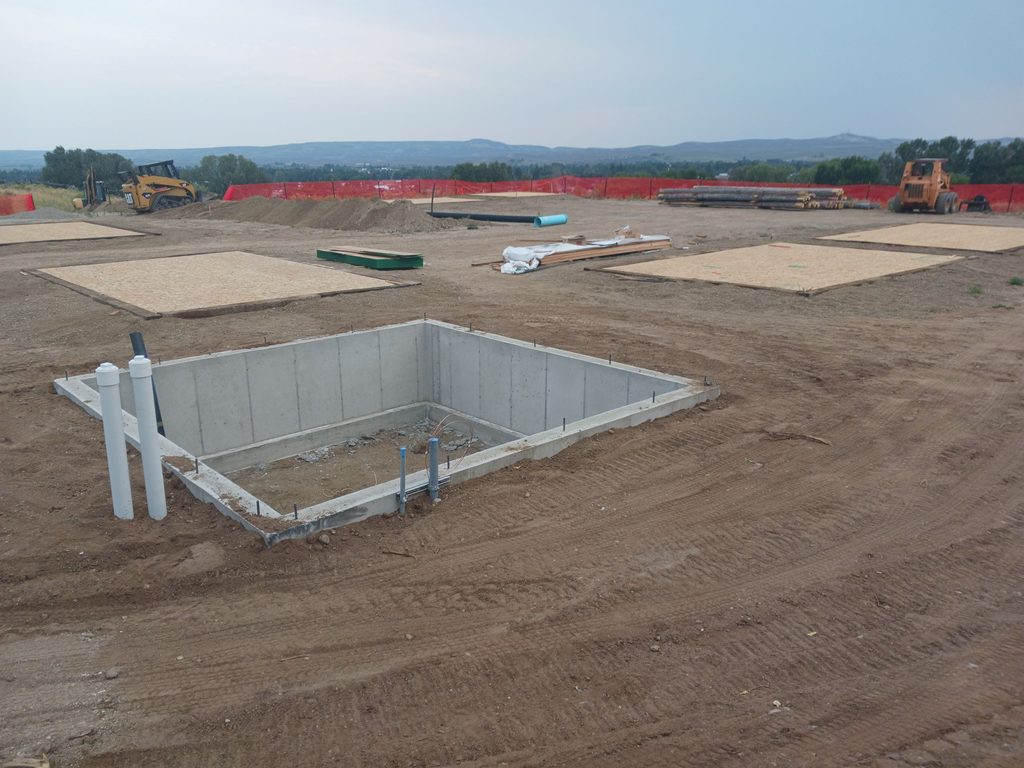
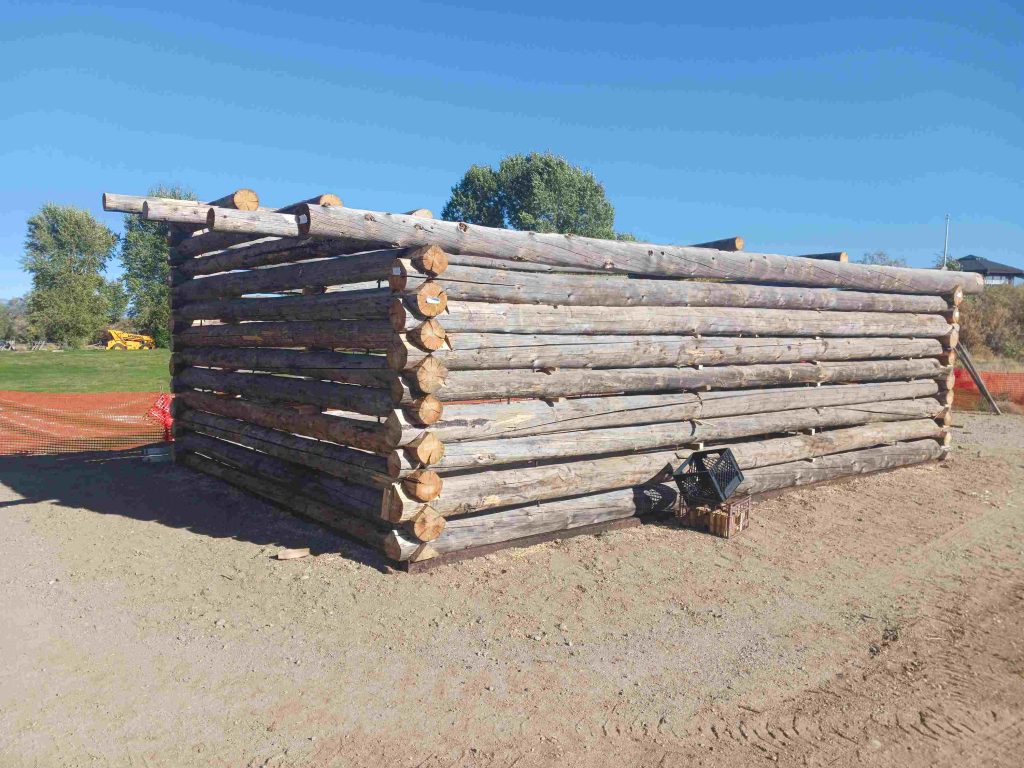
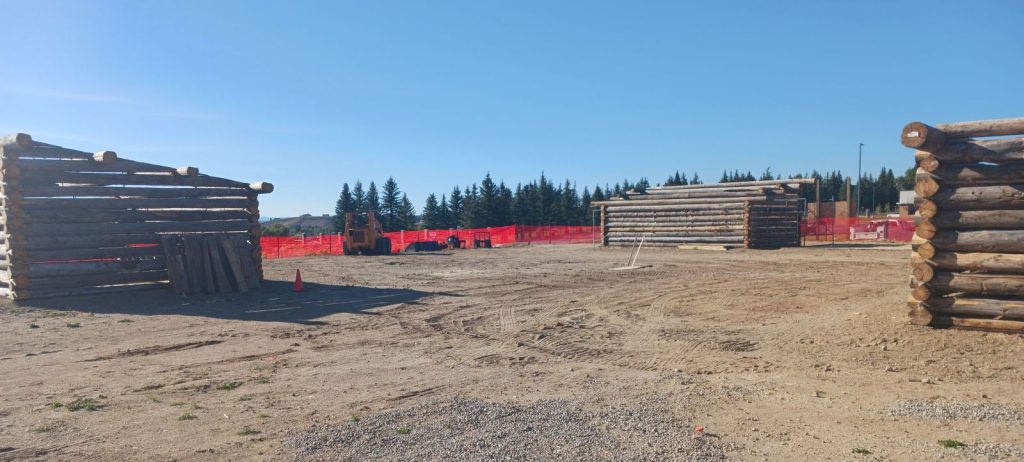
Fort Sublette is a new living-history and interpretive space at the Museum of the Mountain Man. Construction is underway, with foundations completed for seven of the eight planned structures and the first cabins now being reassembled. The fort is scheduled to become part of the Museum’s visitor experience in 2027.
The project extends the Museum’s interpretation of the Rocky Mountain fur trade beyond the gallery setting, providing an opportunity to explore the period through historic structures, material culture, and living-history demonstrations.
Fort Sublette: Historical Context
Fort Sublette is designed to represent what William Sublette might have built in the Green River Valley during the 1830s. It draws upon what is known about fur-trade forts and trading establishments of the period, including Fort Bonneville (1832), Fort William (1832) – later Fort Laramie, Fort Hall (1834), Fort Boise (1834), Fort Union (1828), Bent’s Fort (1833), Fort Bridger (1842), and Fort Buenaventura (1846).
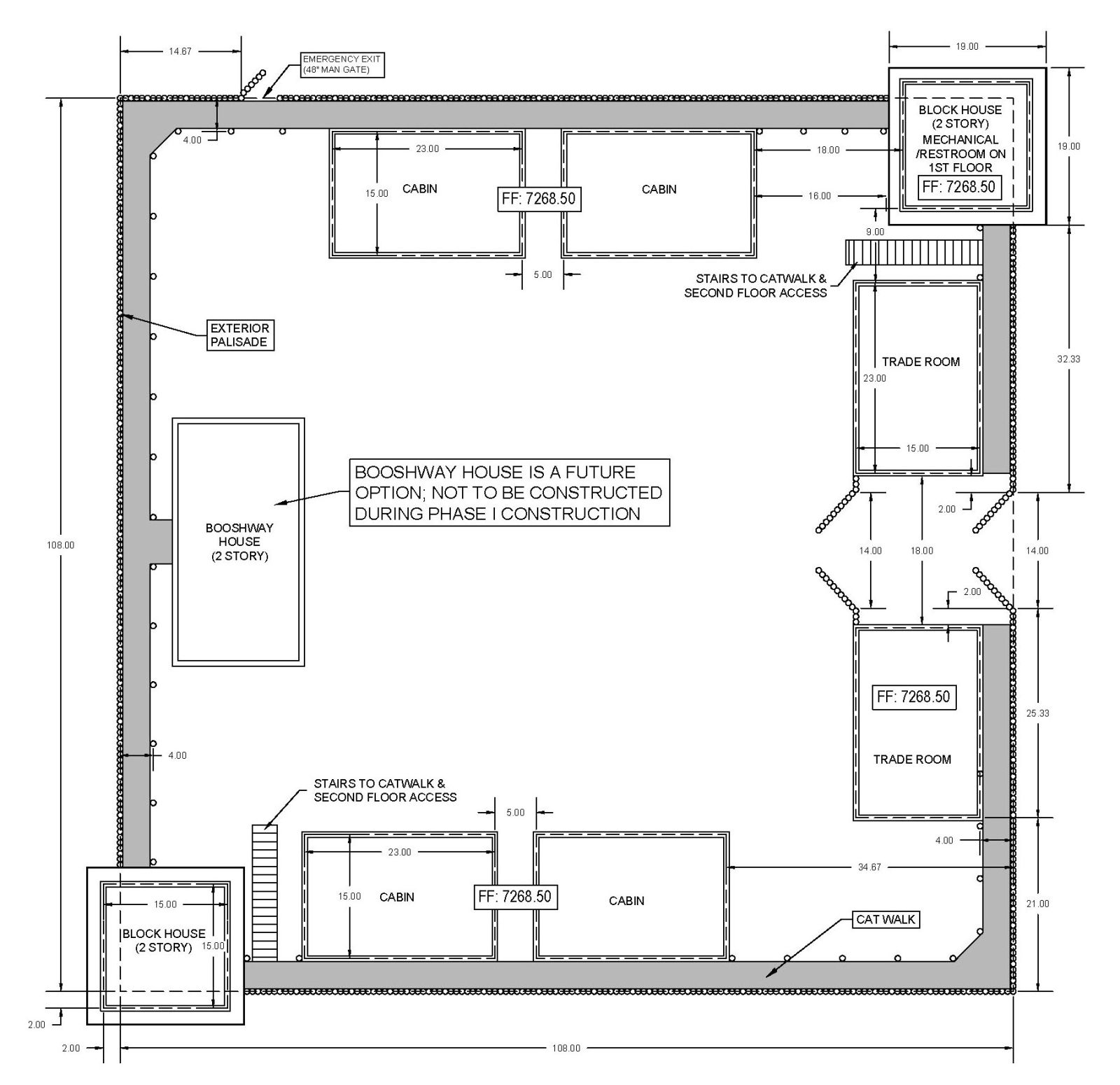
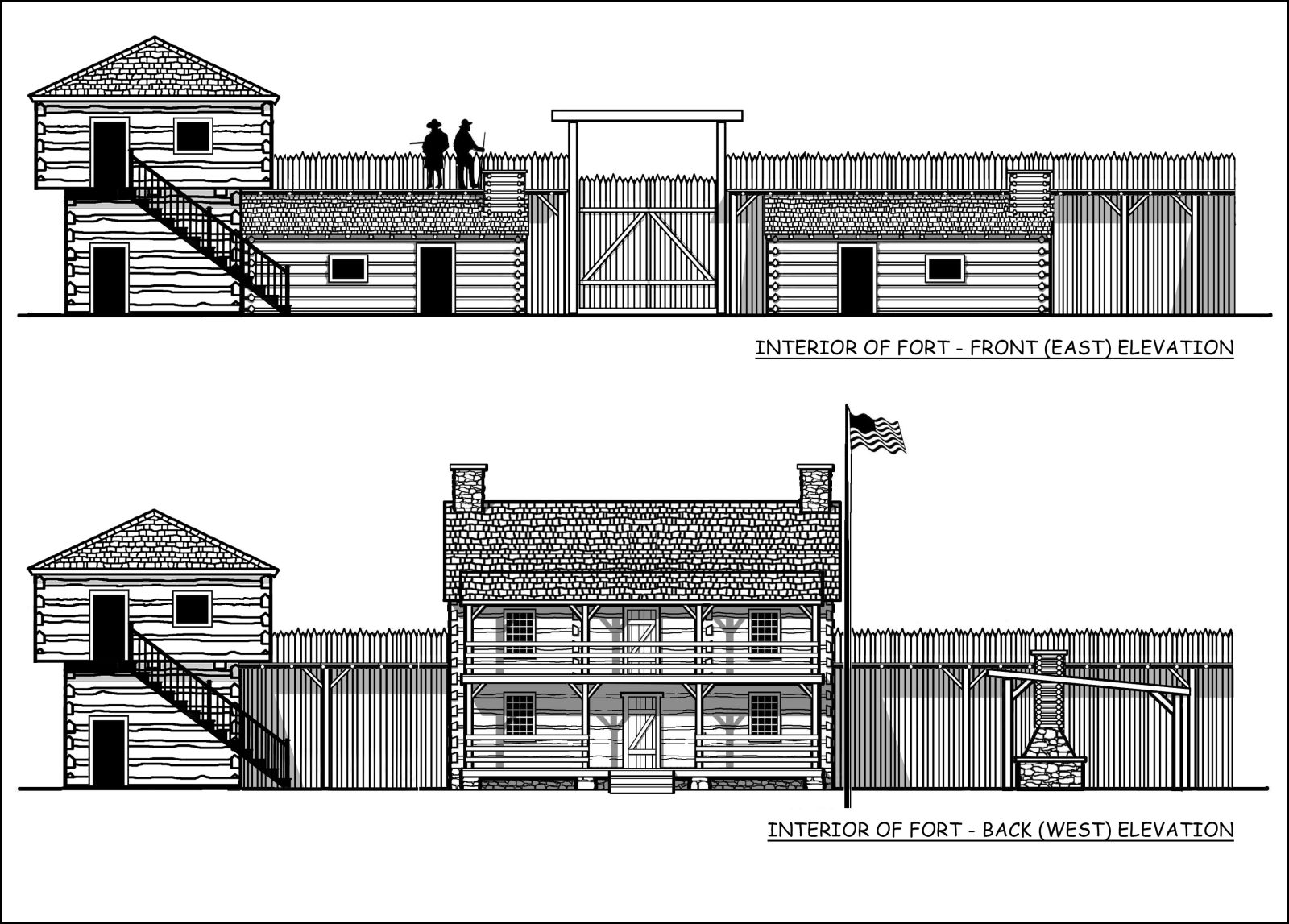
The fort will include cabins and blockhouses arranged within a stockade-style enclosure, along with spaces representing the varied functions of a nineteenth-century trading establishment. These will include a trade room, inventory and supply rooms, living quarters, a blacksmith shop, fur room, fur press, cooking and dining areas, tailor shop, corral and tack room, and areas devoted to trapping and processing beaver.
The American Mountain Men (AMM), longtime partners of the Museum of the Mountain Man, will provide living-history interpretation at Fort Sublette. Their demonstrations will draw upon the skills, material culture, and practices associated with the Rocky Mountain fur trade, including blacksmithing, firearms, cooking, tailoring, fur preparation, beaver trapping and processing, hand talk, and other period skills.
The fort will therefore serve not only as an interpretation of a nineteenth-century trading establishment, but also as a setting in which visitors can explore the material culture and practical skills of the fur-trade era.
William Sublette and the Green River Valley
William Sublette, for whom the fort is named, was among the group of American trappers who entered the Green River Valley in the spring of 1824. The abundance of beaver and the trappers’ interactions with Shoshone communities contributed to the establishment of the annual rendezvous system the following year.
Sublette later became a partner in the firm of Smith, Jackson & Sublette and an important supplier to the Rocky Mountain fur trade. He was also associated with the establishment of Fort William, later Fort Laramie, and other trading posts along the Missouri River.
Six rendezvous were held near the confluence of Horse Creek and the Green River, near what is now Daniel, Wyoming, between 1825 and 1840. The area therefore occupies an important place in the history of the Rocky Mountain fur trade and in the development of the communities that followed.
Sublette County is named for William and his four brothers, Milton, Andrew, Pinckney, and Solomon.
Living History and Interpretation
The American Mountain Men have been partners of the Museum of the Mountain Man for more than 25 years. Through demonstrations of historically based skills and practices, members provide visitors with opportunities to learn about the material culture and daily activities associated with the mountain-man era.
The organization participates in the Museum’s annual Living History Days, which introduce approximately 1,000 students to aspects of nineteenth-century life, and in the Green River Rendezvous, where thousands of visitors encounter living-history interpretation each July.
Fort Sublette will provide a permanent setting for this aspect of the Museum’s interpretive program, allowing visitors to encounter historic skills and material culture within a fort environment informed by nineteenth-century examples.
Fort Sublette and the Museum’s Bicentennial Expansion
Fort Sublette is the first step in a larger expansion initiative commemorating the bicentennial era of the Rocky Mountain rendezvous, 2025–2040.
The Museum’s Bicentennial Expansion envisions expanding facilities and interpretation, including additional space devoted to the Plains Indian cultures of the region, an Alfred Jacob Miller art gallery, expanded exhibition and program space, and improved collections-care facilities.
The Fort Sublette project builds upon the Museum’s longstanding commitment to interpreting the Rocky Mountain fur trade through its collections, scholarship, exhibitions, and living-history programs.
Learn more about the Bicentennial Expansion.

Supporting Fort Sublette
The Gooch Family
The Museum of the Mountain Man gratefully acknowledges a generous $450,000 gift from the Gooch Family in support of the construction of Fort Sublette.
Bruce “Rusty” Gooch’s connection to Sublette County began in 1953, when he began visiting his grandfather, Cortland Tisher, whose property adjoined the land where the Museum of the Mountain Man now stands. Those visits established a lifelong connection to the Pinedale area.
After graduating from college in 1967, Gooch moved to Pinedale, where he owned and operated Triangle R Lodge. He later returned to the community in 1986 with his family, and the Gooch family has continued to maintain strong ties to the area and an appreciation for its history.
“The Gooch Family believes the Museum of the Mountain Man is an incredible asset to our community—one that keeps the history and spirit of the area alive for generations to come,” said Rusty Gooch.
The Sublette County Historical Society and Museum of the Mountain Man extend their sincere appreciation to the Gooch Family for their generosity and support of Fort Sublette.